Category Archives: News
South American Recital Tour
2 months ago |
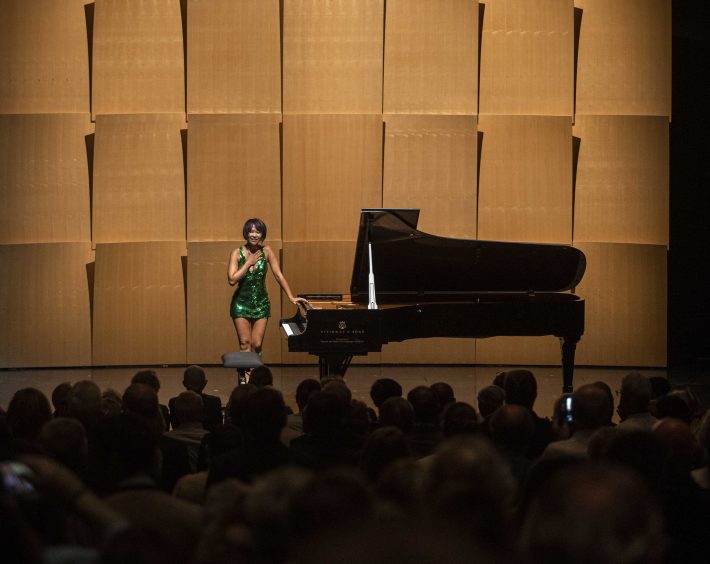
This month, Yuja will travel to South America for a trio of recitals featuring Franz Schubert's Piano Sonata No. 20 in A major and Frédéric Chopin's Four Ballades. See below for the dates and locations: March 9 - Teatro Municipal…
Yuja Wang wins her first GRAMMY® Award
3 months ago |
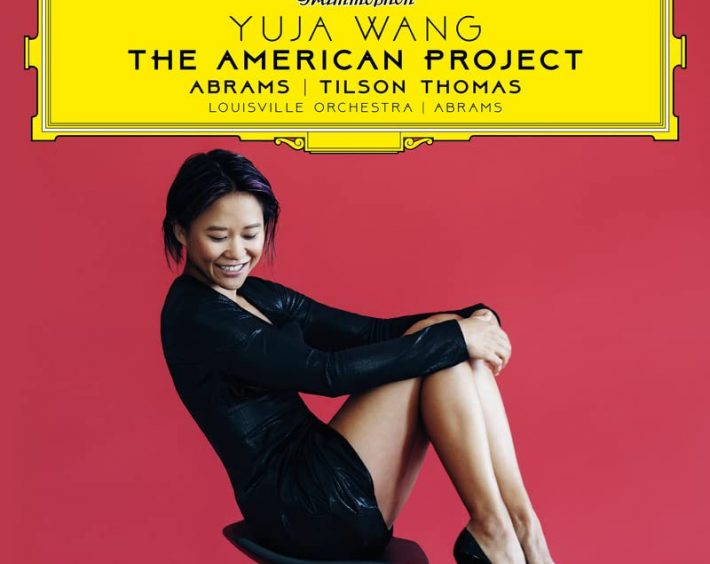
Winners of the 66th GRAMMY® Awards were announced earlier today, and Deutsche Grammophon artist, pianist Yuja Wang was awarded in Best Classical Instrumental Solo – one of the leading classical categories – for The American Project, alongside conductor Teddy Abrams.…
Rachmaninoff with the Czech Philharmonic
3 months ago |
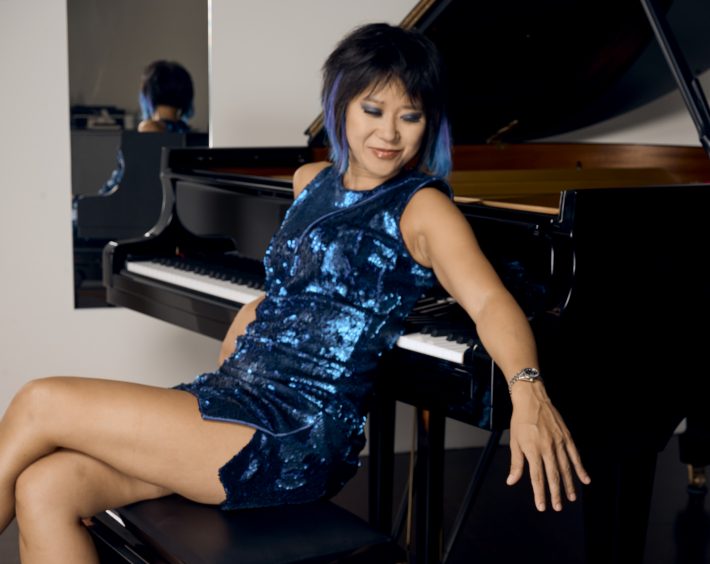
On February 8, 9, and 10, Yuja Wanhs joins the Czech Philharmonic for Rachmaninoff's Piano Concerto No. 3 in D minor, Op. 30, under the baton of esteemed conductor, Sir Simon Rattle. Composed in 1909, this three-movement concerto is considered…
Performances with the Mahler Chamber Orchestra
4 months ago |
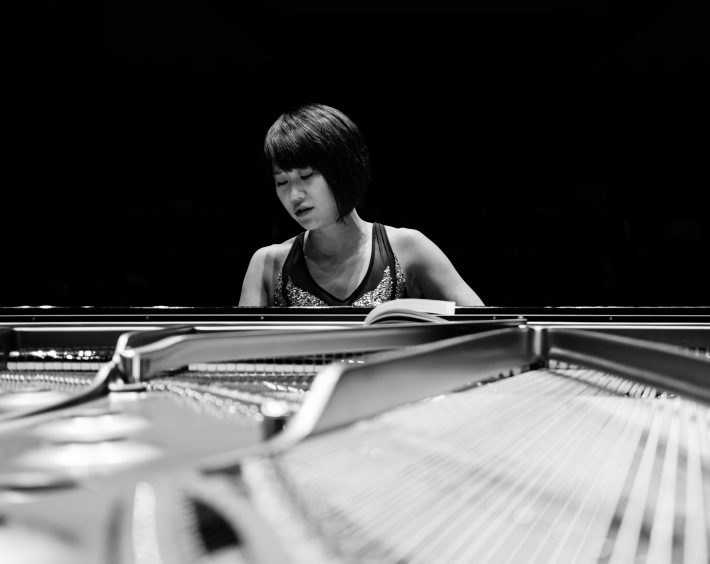
In January, Yuja Wang will grace stages across Europe, taking on the roles of both pianist and conductor with the Mahler Chamber Orchestra. The tour, which includes cities such as Munich, Paris, and Vienna, promises a rich and varied repertoire…
Recital Tour in South Korea and China
6 months ago |
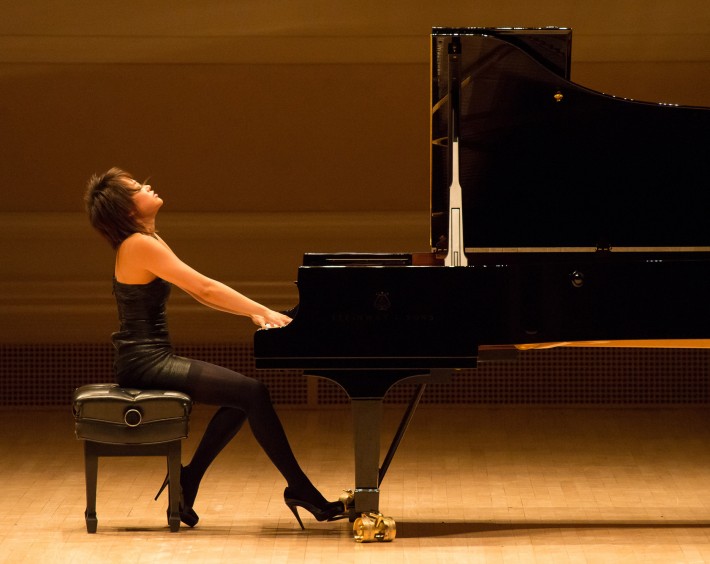
This November and December, Yuja Wang will embark on a recital tour throughout South Korea and China. The carefully curated program unfolds a captivating musical journey, featuring compositions by Olivier Messiaen, Aleksandr Scriabin, Claude Debussy, Frédéric Chopin, and Ludwig van Beethoven.…
Bartók’s Second Piano Concerto with Tarmo Peltokoski
6 months ago |
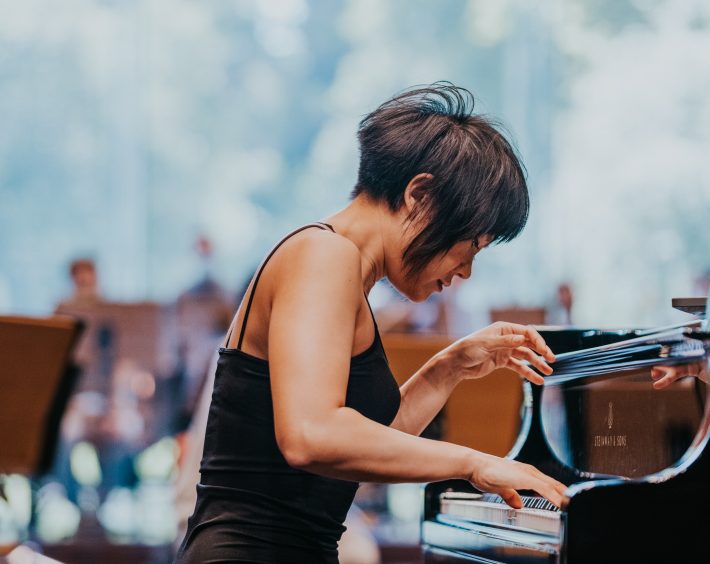
This November, don't miss the captivating performances by Yuja Wang and Finnish conductor Tarmo Peltokoski as they bring Bartók's Second Piano Concerto to audiences in Belgium, the Netherlands and the United States. Yuja Wang's rendition of this challenging piece has…
Turangalîla-Symphonie at Teatro alla Scala
7 months ago |
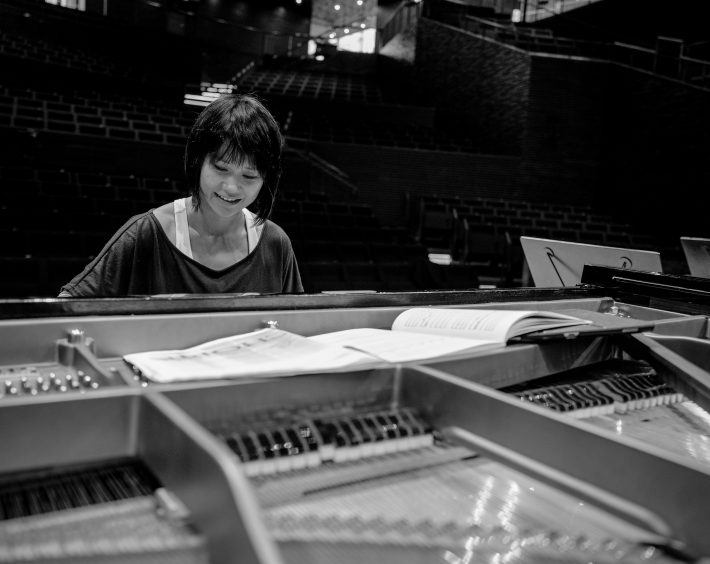
On October 11, 12, and 14, Yuja Wang returns to Teatro alla Scala alongside conductor Simone Young, Ondes Martenot player Cécile Lartigau, and the Filarmonica della Scala for Olivier Messiaen's Turangalîla-Symphonie. Ms. Wang's previous renditions of this composition have received widespread critical acclaim. Reflecting…
Ravel with Orchestre de Paris
7 months ago |
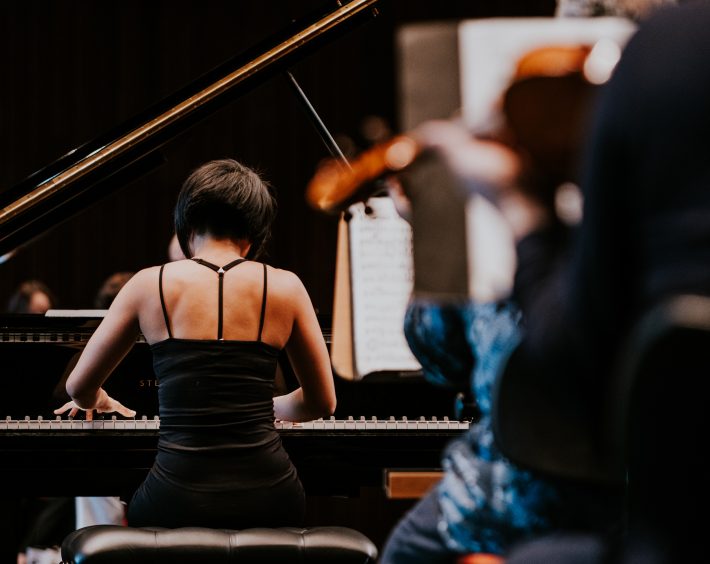
Yuja Wang, alongside conductor Klaus Mäkelä and the Orchestre de Paris, is set to perform at the Philharmonie de Paris on October 4 and 5. The program will see Yuja perform two celebrated Maurice Ravel compositions. His Piano Concerto for the…
Yuja x Hockney at London’s Lightroom
7 months ago |
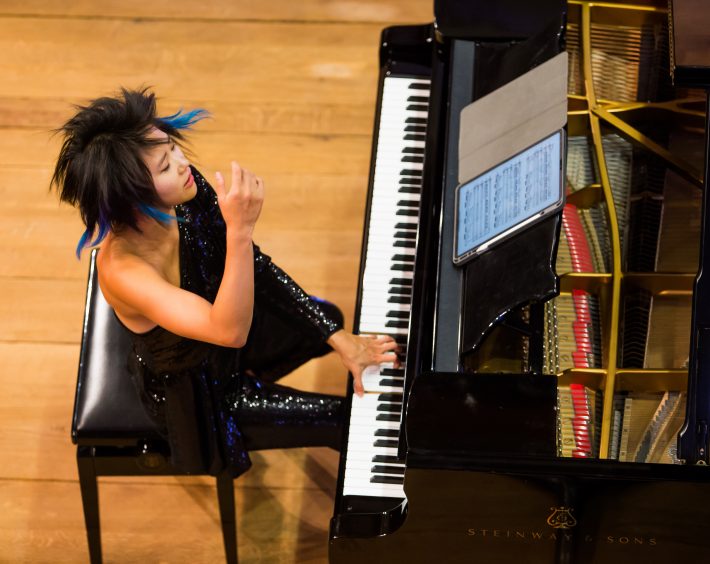
On September 28, 29 & 30, Yuja Wang will take to the stage at London's Lightroom for six intimate concerts, performing a repertoire of pieces inspired by her response to David Hockney's artworks, part of the venue's David Hockney: Bigger…
Performances with the Concertgebouw Orchestra
8 months ago |
This September, Yuja Wang joins Klaus Mäkelä and the Concertgebouw Orchestra for performances in Amsterdam, Bucharest, and Dortmund. The concerts will feature works by Debussy as well as both piano concertos by Maurice Ravel: Piano Concerto for the Left Hand…